



004001
Leave Your Message
0%

As more and more people are demanding faster, more reliable internet connections, it's becoming really clear how important new tech like ultra broadband amplifiers is. These devices are key to boosting internet speeds and making sure everything runs smoothly. Here at Mars RF Microwave, we’re lucky to have some seriously cool equipment—like state-of-the-art SMT machines, high-vacuum eutectic furnaces, and laser welding tools—that help us build these high-performance devices. Plus, we use fully automatic PCB cleaning machines and helium leak detectors to make sure each amplifier is top-notch and dependable. That way, we can ensure that signals are amplified perfectly, and data moves faster than ever. Our focus on innovation and precision really keeps us ahead of the game, so we can deliver solutions that not only meet, but actually surpass what the future of connectivity needs. We’re excited to be part of this tech evolution and to help improve how everyone stays connected.
Unlocking the Future of Connectivity: How Ultra Broadband Amplifiers Enhance Internet Speeds

The Evolution of Broadband Technology: A Historical Overview

You know, the whole story of how broadband technology has evolved is pretty fascinating. It’s been full of big milestones that really shaped how we connect to the internet today. Back in the early 2000s, most of us were using DSL and cable modems—they were the big players back then, offering speeds that seemed pretty amazing at the time, like around 1 to 5 Mbps. I remember seeing a report from the ITU that said worldwide broadband subscriptions jumped from about 400 million in 2005 to over 1.2 billion by 2010—that’s a huge leap, showing how much people wanted faster internet.

Unlocking the Future of Connectivity: How Ultra Broadband Amplifiers Enhance Internet Speeds

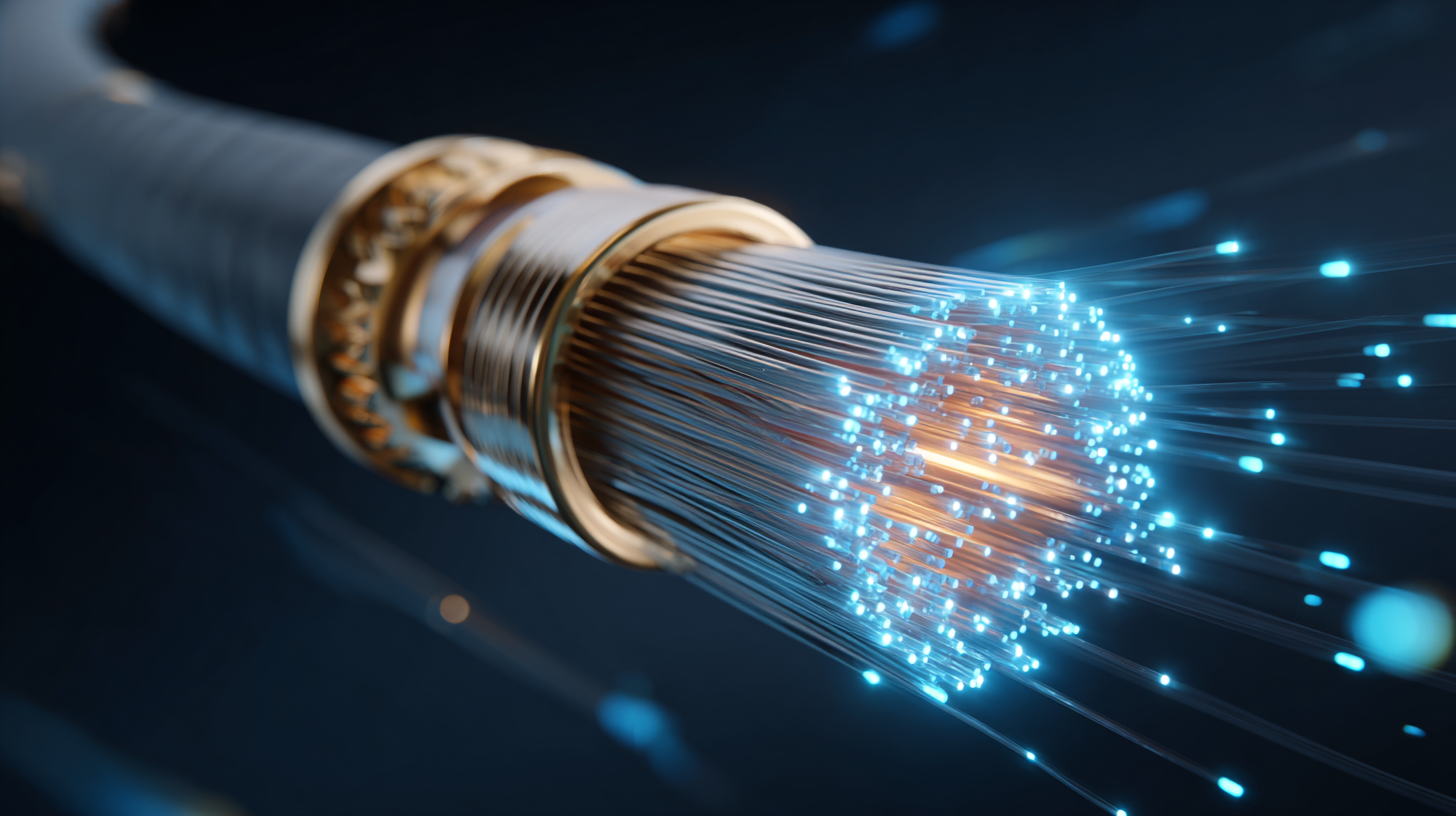
Then came fiber optics, and let me tell you, that was a game-changer. Instead of electrical signals, they started using light to send data, which meant speeds of over 1 Gbps—imagine watching HD streams or video calls without a hiccup! A 2022 report from the Broadband Forum even said that in many developed countries, about half of the homes are now connected via fiber. It’s clear that folks are really committed to upgrading their internet setups. And with new tech like ultra broadband boosters, signals got even stronger and more reliable. All of this just goes to show how far we’ve come—and how crucial good broadband is in our daily lives, whether it’s working from home, streaming your favorite shows, or smart city stuff like IoT and connected infrastructure.

Understanding Ultra Broadband Amplifiers: Key Components and Functionality

Ultra broadband amplifiers are pretty much essential in today’s telecom world. They’re the tech behind those lightning-fast internet speeds and better overall connectivity we all want. Basically, these amps work across a super wide range of frequencies, which means they can handle and boost signals over various bandwidths without breaking a sweat. That’s what makes them perfect for everything from your home Wi-Fi to massive data centers handling tons of information.

At their core, ultra broadband amplifiers rely on a few key parts: transistors, passive components like resistors and capacitors, and feedback circuits. The transistors are the ones doing the heavy lifting, boosting the signals so they stay strong even over long distances. The passive parts help filter and keep things stable, while the feedback circuits work behind the scenes to cut down on distortion and keep the performance steady. All these components work together to give us faster, more reliable internet—and honestly, they’re a big part of making sure everyone can stay connected in this increasingly digital world.

Impact of Ultra Broadband Amplifiers on Internet Speeds

Impact on Internet Speeds: Data-Driven Analysis of Speed Enhancements

Lately, we've seen some pretty exciting progress with ultra broadband amplifiers, and honestly, it's been a game-changer for internet speeds. I mean, according to a report from the International Telecommunication Union (ITU), the average fixed broadband download speed around the world hit about 74.5 Mbps in early 2023. That’s almost a 25% jump compared to last year! A lot of this boost comes from clever tech like ultra broadband amplifiers, which strengthen signals and make data travel further and faster without hiccups.

Plus, a study by OpenSignal found that folks using networks with these amplifiers saw their speeds go up by roughly 30% during busy times, compared to traditional setups. That’s pretty huge because it means smoother streaming, better gaming, and more reliable remote work. As more people are working from home and going digital, the need for faster, more resilient internet keeps growing. In fact, the report suggests that by 2025, internet traffic will surge by around 40%, making the role of ultra broadband amplifiers even more vital for expanding the infrastructure and keeping us all connected comfortably.

Comparative Studies: Ultra Broadband vs. Traditional Amplification Techniques

You know, the way internet connectivity has evolved is pretty fascinating. We’ve come a long way from the old-school amplification methods, which struggled with bandwidth and could only really keep up with lower-speed demands. Now, on the flip side, ultra broadband amplifiers are a whole different ballgame—they’re designed to handle frequencies up to 6 GHz, making those high-speed connections possible. According to a recent report from the International Telecommunication Union, these new techs can even reach speeds over 100 Mbps. That’s a huge jump from the 10 to 20 Mbps most traditional systems offer. If you’re thinking about upgrading your home or business network, it’s definitely worth choosing providers that use ultra broadband tech—it's a solid move to future-proof your internet. Just keep in mind, your internal wiring and gear need to support these faster speeds to really get the most out of them.

Unlocking the Future of Connectivity: How Ultra Broadband Amplifiers Enhance Internet Speeds

With the latest signal processing and noise reduction tech, ultra broadband amplifiers boost data quality quite a bit—meaning less signal loss over longer distances. A study from IEEE even shows they can double the available bandwidth, allowing more devices to stay connected without slowing down. For businesses, switching to ultra broadband can be a real game-changer—faster services mean happier customers and a boost in productivity.

Pro tip: Make a habit of checking your internet speed now and then. If you notice things slowing down unexpectedly, it might be a good idea to chat with a networking pro. They can help you figure out if an upgrade is the right move to keep everything running smoothly.

Future Trends in Connectivity: Predictions for Ultra Broadband Implementation

Looking ahead to 2035, the digital world is expected to go through some pretty big changes, mainly thanks to advances in connectivity tech like ultra broadband amplifiers. These new technologies could seriously boost internet speeds, making it way easier for us to access digital services and helping us feel more connected than ever before. But, of course, with all these exciting updates, there are some concerns popping up too. Experts are warning that while connectivity will improve, this rapid pace might also make social inequalities worse. In other words, high-speed internet could become a new divide—kind of like a digital gap between those who have it and those who don’t.

As ultra broadband takes center stage, we’re probably going to see fresh digital norms shaping both personal lives and workplaces. For example, faster internet could give people the tools to use AI more effectively, boosting productivity and changing how we work. But here’s the catch—while some companies race to get ahead with these tech upgrades, many folks are still struggling to keep up when it comes to AI adoption. The socio-economic gap might get even wider, leading to a ‘new normal’ where the benefits of better connectivity aren’t shared equally. Looking towards 2025 and beyond, keeping an eye on how these tech leaps intertwine with society will be crucial. It’s a mix of exciting possibilities and real challenges in this increasingly digital world of ours.

Challenges and Solutions: Overcoming Barriers in Ultra Broadband Deployment

The rapid growth of the fixed wireless access market is opening up some pretty big opportunities, but it’s also bringing a bunch of challenges when it comes to rolling out ultra broadband tech. As more people crave faster internet—thanks to our increasingly tech-focused lifestyles—regions are running into all sorts of roadblocks that slow things down. Things like dealing with rights of way, attaching to poles, and environmental permits can really complicate getting the infrastructure in place quickly.

Over in Europe, the main issue seems to be that internet providers just aren’t investing enough, which makes it tough to boost broadband access. It’s not just Europe, either—many other areas face similar hurdles. The gap in infrastructure investment creates these big disparities in who can get fast, reliable internet.

But hey, as everyone works to find solutions, it’s clear that new ideas and teamwork will be crucial if we want to improve connectivity and keep up with the skyrocketing demand from users everywhere.

Innovative Solutions for High-Power Applications: Exploring the RF High Power Amplifier Subsystems MS80120P50A

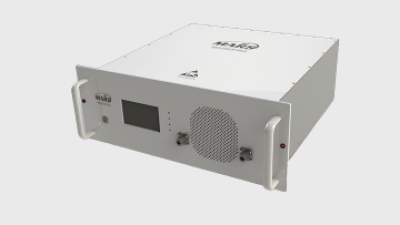
The RF high power amplifier subsystem MS80120P50A by Mars RF represents a significant advancement in innovative solutions for high-power applications, particularly in the 8000-12000MHz frequency range. This sophisticated system employs a Class C amplifier design, delivering an impressive output power of 100W, achieved from the conduction angle typical of Class A amplifiers. Such configurations are essential in applications requiring robust performance and reliability, making the MS80120P50A an excellent choice for industries relying on high-frequency communications.

Mars RF's commitment to ultra-wideband capabilities is evident in their extensive range of microwave power amplifiers, which are designed to meet varied operational demands. The MS80120P50A's rack-mountable design allows for efficient integration into existing systems, optimizing space without sacrificing performance. With output power capabilities ranging from 50W to 2000W, including options like the 2.4GHz amplifier at 100W, these amplifiers cater to applications in telecommunications, radar, and satellite communications, where high power and precise frequency handling are critical.

According to industry reports, the global market for RF power amplifiers is expected to grow significantly, driven by increasing demand in various sectors, including mobile communications and aerospace. The robust performance of the MS80120P50A and its versatility positions it favorably within this expanding market, appealing to engineers and system designers who seek reliable and efficient high-power solutions tailored for modern applications. The integration of such advanced amplifier systems will undoubtedly pave the way for innovations in technology deployment across high-demand environments.

FAQS

: What are ultra broadband amplifiers?

: Ultra broadband amplifiers are essential components in telecommunications that boost internet speeds and enhance connectivity by efficiently processing and amplifying signals over a wide frequency range.

How do ultra broadband amplifiers improve internet speeds?

They enhance internet speeds by boosting signal strength and optimizing data transmission, resulting in faster and more reliable access, particularly during peak usage times.

What key components are involved in ultra broadband amplifiers?

The main components include transistors for signal amplification, passive elements like resistors and capacitors for filtering and stabilizing signals, and feedback circuits to reduce distortion.

What recent changes have been observed in global broadband speeds?

As of early 2023, the global average fixed broadband download speed increased to 74.5 Mbps, which is a nearly 25% rise from the previous year, largely due to the introduction of ultra broadband amplifiers.

How much speed increase do users experience with ultra broadband amplifiers?

Users on networks with ultra broadband amplifiers have reported an average speed increase of 30% during peak usage times compared to those on traditional systems.

What challenges exist in the deployment of ultra broadband technology?

Challenges include issues related to rights of way, pole attachments, environmental permitting, and a general lack of investment from providers in specific regions.

Why is there a growing demand for ultra broadband amplifiers?

The increasing need for high-speed internet due to more tech-centric lifestyles, remote work, and digital engagement is driving the demand for ultra broadband amplifiers.

What is expected for internet traffic by 2025?

It is projected that internet traffic will increase by 40% by 2025, highlighting the need for improved infrastructure and the role of ultra broadband amplifiers.

What has been identified as a barrier to improved broadband access in the EU?

A significant barrier is the lack of adequate investment from internet providers, which contributes to disparities in internet access across various regions.

What strategies are being considered to overcome barriers in ultra broadband deployment?

Innovative solutions and collaborative strategies are being explored to enhance connectivity and address the growing demands of consumers.

Conclusion

Have you ever read an article like "Unlocking the Future of Connectivity: How Ultra Broadband Amplifiers Boost Internet Speeds"? Well, it dives into some pretty exciting stuff about how broadband tech has come a long way. It’s really interesting to see how these ultra broadband amplifiers work — I mean, their main parts and how they actually make your internet faster. The article also includes some data that clearly shows just how much better these amps are compared to the old-school methods. It’s pretty impressive stuff that helps data zoom through much quicker.

As more and more folks want lightning-fast internet, the article even looks ahead at what’s coming next with ultra broadband tech. It doesn’t shy away from talking about the hurdles in rolling this out, but luckily, it also suggests some solid solutions to get more people connected. Plus, with companies like Mars RF Microwave putting out these massive advancements — think state-of-the-art SMT machines and super high vacuum furnaces — it feels like the future of connectivity is really getting a boost. Honestly, it’s exciting to imagine how all this will shape the way we stay connected down the line.
Sophia

Sophia

Sophia is a dedicated marketing professional at Mars RF Microwave, where she leverages her extensive knowledge of advanced manufacturing technologies to promote the company's innovative solutions. With a deep understanding of the state-of-the-art equipment utilized in the production process,......
Previous Future Innovations in Mopa Amplifiers A Global Procurement Guide