

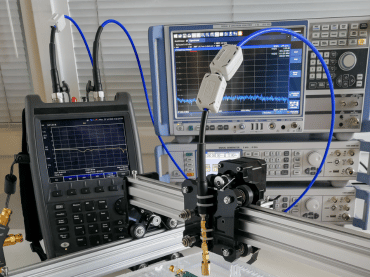


You know, in the fast-changing world of electronics, we really can’t underestimate the importance of effective RF Wire Shielding. It’s super vital for improving how well our devices perform and for keeping them reliable—especially when it comes to reducing interference and making sure signals come through loud and clear. In this blog, we’re going to take a closer look at how RF Wire Shielding is used in real life across a bunch of different products, and we’ll also tackle some of the common hurdles people face when trying to implement it. Here at Mars RF Microwave, we’re all about using the latest tech—think advanced SMT machines, high vacuum eutectic furnaces, and laser welding machines—to make sure our RF shielding solutions are top-notch. Knowing the ins and outs of the different types of shielding and where they work best is key to dealing with these challenges and getting the most out of various electronic systems. So, stick with us as we dive into the world of RF Wire Shielding and check out its crucial role in today’s electronics!

When we talk about wireless communication and electronic devices, effective RF wire shielding is super important. It really helps cut down on interference and boosts performance. A recent report from ResearchAndMarkets suggests that the global RF shielding market could jump from $1.2 billion in 2020 to a whopping $2.5 billion by 2025! That’s a compound annual growth rate (CAGR) of 16.5%, which is pretty impressive. This growth is mainly fueled by the increasing need for reliable signal integrity across various industries like telecommunications, automotive, and healthcare.
Take the automotive sector as an example—it really relies on RF wire shielding to keep communication smooth between all the electronic systems in vehicles. In one study, they found that using high-quality RF shielding solutions cut down electromagnetic interference (EMI) by more than 30%. That’s a big deal because it really amps up the performance of advanced driver-assistance systems (ADAS).
And the medical field isn’t far behind either! Hospitals have been seeing better MRI image quality and lower noise levels after introducing RF shielding techniques in their imaging rooms. This just goes to show how essential RF wire shielding is in our tech-driven world today!
You know, when it comes to putting RF shielding into play across different industries—like telecommunications and medical devices—there are definitely some hurdles we need to jump over to make sure it really works. Recently, I read that around 30% of RF shielding projects hit bumps in the road when it comes to picking the right materials and installation methods. For example, if you’re using the wrong materials, it can seriously mess with how effective the shielding is, especially for specific frequency ranges. So, it’s really wise for experts to do thorough site assessments and choose materials that fit the electromagnetic vibe of what they’re working with.
And then, there's the whole issue of space constraints. Devices are getting smaller, which makes it trickier to fit effective RF shielding in there without throwing design and functionality out the window. Interestingly, a study by the Electronics Industry Association pointed out that about 40% of engineers say space issues are a big headache when it comes to putting RF shielding in place. To tackle these challenges, it’s super important to use advanced simulation tools that can help predict how well things will perform and how to make the most of the limited space. Plus, teamwork between design and engineering folks is key to navigating the tricky waters of RF shielding while still playing by the industry’s rules.
| Application Area | Common Challenges | Best Shielding Materials | Implementation Strategies |
|---|---|---|---|
| Medical Devices | Signal interference from imaging systems | Copper, Aluminum Foil | Layered shielding, careful layout design |
| Telecommunications | Environmental factors affecting performance | Conductive Coatings, Metal Mesh | Regular maintenance and environmental testing |
| Automotive | Electromagnetic interference from other vehicles | Steel, Copper | Use of Faraday cages, integrated design |
| Consumer Electronics | Size constraints and aesthetics | Graphene, Conductive Polymers | Innovative form factors, and materials engineering |
| Aerospace | High altitudes affecting shielding effectiveness | Titanium, Aluminum Alloy | Redundant shielding layers, robust material selection |
Choosing the right RF shielding materials is really important, and you’ve got to think about what the materials are made of and how they’re made to get the best performance out of them. You know, when picking materials, you should look into how well they can stop electromagnetic interference (EMI), how long they'll last, and, of course, the cost. For example, metals like copper and aluminum are super popular because they're so effective at shielding—I've heard that copper can block up to 90% of signals at RF frequencies, which is pretty impressive! Plus, there’s this cool new tech coming into play—we’re talking about advanced manufacturing methods like directed energy deposition combined with machine learning. It's pretty wild how tweaking things like laser power and scan speed can really boost how effective titanium alloys can be for RF shielding, right?
Over at Mars RF Microwave, we’re all about using the latest tech to make top-notch RF shielding solutions. Our facility has some seriously advanced gear, like laser welding machines and fully automated cleaning systems. This helps us crank out components that are precise and super reliable. The best part? When we create under optimal conditions, it not only speeds up production but also makes our shielding materials perform even better. And get this: industry reports show that manufacturers using these cutting-edge techniques can ramp up their production speed by as much as 30%! This definitely puts them in a strong spot in the competitive RF market.
Hey there! So, let's talk about the cool stuff happening with RF wire shielding technology lately. You know, it’s really been a game changer for tackling electromagnetic interference, especially in fields like aerospace and military. I mean, thanks to new materials and designs popping up, we're seeing some fantastic improvements in how effective that shielding can be, which is super important for keeping sensitive data and signals safe from all that external noise. But it’s not just about better performance; it’s also about making our gadgets smaller and more efficient, which is always a win in my book!
Now, when you're diving into RF wire shielding, you gotta pay attention to the materials you pick. Look for ones that not only have great frequency attenuation but also stand the test of time. Copper and aluminum, for example, are usually the go-to choices since they're lightweight and highly conductive. And hey, if you get into more advanced techniques like layered shielding, that can really ramp up your protection game.
A Few Tips:
1. Always check the frequency ranges your application needs, so you can pick the best materials for the job.
2. Think about how the shielding fits into the whole design process; addressing potential interference issues early can save you a lot of headaches later.
3. Keep an eye on new tech and innovations out there, as the RF shielding scene is changing fast—there’s always something new that could give you better and more compact solutions!
You know, in the fast-paced world of RF shielding, there's a lot happening! New tech is really shaking things up when it comes to reducing noise. One of the coolest trends I’ve seen is the use of advanced materials like nanocomposites. These materials are great because they not only boost shielding effectiveness but also keep things lightweight and less bulky—perfect for our ever-shrinking electronic devices. Manufacturers are now checking out adaptive shielding too, which can adjust on the fly based on the environment. It means you get the best protection exactly when you need it!
A quick tip: when you’re picking out shielding materials, make sure to think about their frequency range and what kind of RF interference you’re dealing with. A good round of testing will really help you figure out how well these materials hold up in the real world.
Also, there's this exciting trend of bringing smart tech into shielding solutions. By using IoT devices, manufacturers can keep an eye on how well the shielding is working in real time. It’s like being able to make tweaks and adjustments as interference changes! This move towards smarter systems not only boosts reliability but also ramps up energy efficiency in a big way.
Oh, and here’s another tip: don’t forget to regularly check your shielding strategies! As new tech comes out and conditions change, you want to make sure you’re staying ahead of the game and compliant with the latest standards.
: The RF shielding market is projected to grow from $1.2 billion in 2020 to $2.5 billion by 2025, reflecting a compound annual growth rate (CAGR) of 16.5%.
RF wire shielding is essential in the automotive sector, where it has been shown to reduce electromagnetic interference (EMI) by over 30%, significantly improving the performance of advanced driver-assistance systems (ADAS).
Hospitals have reported enhanced MRI image quality and reduced noise levels due to the application of RF shielding techniques in their imaging rooms.
Copper and aluminum are commonly favored materials for RF wire shielding due to their high conductivity and lightweight properties.
Emerging trends include the use of nanocomposites for better shielding effectiveness while minimizing weight, as well as adaptive shielding that responds dynamically to environmental changes.
By integrating IoT devices into shielding solutions, manufacturers can monitor performance in real time, allowing for proactive adjustments to mitigate interference.
It's crucial to assess the specific frequency ranges required for your application and the type of RF interference being addressed to ensure optimal material selection.
Integrating shielding early in the design process helps to preemptively address potential interference issues, enhancing overall device performance.
Manufacturers should regularly reassess their shielding strategies in light of new technological advances and changing environmental conditions to maintain optimal performance and compliance with current standards.
The incorporation of smart technologies allows for real-time monitoring and adjustments of shielding performance, leading to improved reliability and energy efficiency.