Picking out the right EW amplifier can honestly feel pretty overwhelming at first. The market’s got so many options, each with its own set of features, it’s easy to get lost. Whether you're just messing around as a hobbyist or you're a pro, finding the right model really matters.
Think about what you actually need. Do you want something small and portable, or is a bigger, more powerful unit what's needed? If you're after some serious power, the 5000 Watt Amplifier can really pack a punch. But hey, bigger isn’t always better, right? Make sure to consider the space you’ve got and what you plan to use it for.
And don’t forget to look at the brand too. Names like AudioControl or Crown are known for their reliability, but keep in mind, the priciest option isn't necessarily the best fit for you. Sometimes, less popular brands can surprise you with quality that's just as good. Take your time, weigh your options, and go with what feels right for your needs — that’s the best way to make an informed decision.
Understanding EW Amplifiers and Their Importance
Understanding electronic warfare (EW) amplifiers is essential for effective operations in today’s complex environments. These devices enhance signals to improve communication and counteract threats. They can amplify specific frequencies, which can be crucial during operations. The importance of these amplifiers cannot be overstated; they often make the difference in mission success.
Choosing the right EW amplifier requires careful consideration. It’s not a one-size-fits-all scenario. Factors like frequency range, power output, and size matter greatly. You might feel overwhelmed by the variety. Settling on the right features can be challenging. Each choice has its trade-offs. Does a higher power mean better range? Perhaps, but that often comes with increased size and weight. You'll need to reflect on your unique needs.
It's not enough to simply select the most powerful model. Balance between power and portability is key. Consider your specific scenario. Will you operate in a static location or a mobile environment? Testing different options can also yield insights. Your choice may seem clear at first, but revisiting your requirements can lead to better decisions. Flexibility and a willingness to adapt are crucial in this field.
Key Specifications to Consider When Choosing an EW Amplifier
When selecting an electronic warfare (EW) amplifier, understanding key specifications is crucial. Look for power output, which directly affects range and performance. Higher power usually means a greater area of impact. But be cautious; oversizing can lead to inefficiencies and operational challenges.
Another important factor is frequency range. Ensure the amplifier covers the required frequencies for your operations. Limitations here could compromise effectiveness. Additionally, assess size and weight. A compact unit may be desirable but might sacrifice power or efficiency. Evaluate the trade-offs carefully.
Cooling systems are also vital. High output can generate excessive heat. Poor cooling might lead to failures or reduced performance. Check the amplification efficiency and thermal management features. This can often be overlooked, but it could make or break your setup. Balancing these specifications involves reflection on your specific needs and operational environment.
Comparison of Key Specifications for EW Amplifiers
Types of EW Amplifiers and Their Unique Features
When choosing an electronic warfare (EW) amplifier, understanding different types matters. These amplifiers are classified based on their functionality and application. For instance, broadband amplifiers are renowned for their versatility. They cover a wide frequency range, making them suitable for various missions. According to a 2022 industry report, 35% of military organizations prioritize broadband capabilities for comprehensive coverage.
Another category is narrowband amplifiers. These devices excel in specific frequency ranges. They enhance signal quality significantly, which is vital for targeted operations. Research indicates that 25% of defense contractors prefer narrowband amplifiers for high-precision tasks. Their focused design usually leads to improved performance but limits flexibility.
Integrated circuits are emerging in EW amplifiers. Their compact size and efficiency are appealing. Data shows that over 40% of manufacturers are shifting towards integrating advanced ICs for enhanced performance. While this approach offers superior functionality, it may raise concerns about durability and maintenance. Balancing sophistication with practical use remains a challenge for many in the field.
Assessing Your Specific Needs and Requirements
When assessing your specific needs for an EW amplifier, start by considering the environment where you’ll use it. Are you working in a small room, or will you be outside? A compact, 100 Watt Amplifier might suit an indoor setting. However, outdoor use often demands more power. Reflect on your typical scenarios to gauge the required output.
Next, think about the features you value. Do you prioritize sound clarity or overall volume? Some amplifiers offer advanced controls for sound shaping. If you plan to use different audio sources, explore versatility in connectivity options. A 100 Watt amplifier may not include every feature. That’s okay; you can prioritize what matters most to you. Sometimes, less is more.
Moreover, consider your budget realistically. The right amplifier may stretch your wallet. Find a balance between cost and quality. Ask yourself if spending more now will save costs on replacements later. Learning from these questions helps you make informed decisions. Ensure your choice aligns with both your needs and preferences.
Evaluating Brand Reputation and Customer Reviews
When choosing an EW amplifier, evaluating brand reputation and customer reviews is crucial. A solid reputation often indicates quality. Look for manufacturers known for consistent performance. Not all popular brands live up to expectations. Some receive mixed feedback despite their visibility.
Customer reviews offer a more personal insight. They reveal real user experiences. Take time to read both positive and negative comments. A 250 Watt Amplifier might sound appealing, but its actual performance can vary. Check how it handled different situations. Some users might mention overheating or distortion at high volumes.
It's important to reflect on these reviews. If many users report similar issues, consider them seriously. Great features can be overshadowed by a few persistent problems. Look for comments that mention durability and reliability. This feedback can guide your choice wisely.
Budget Considerations and Cost vs. Performance Analysis
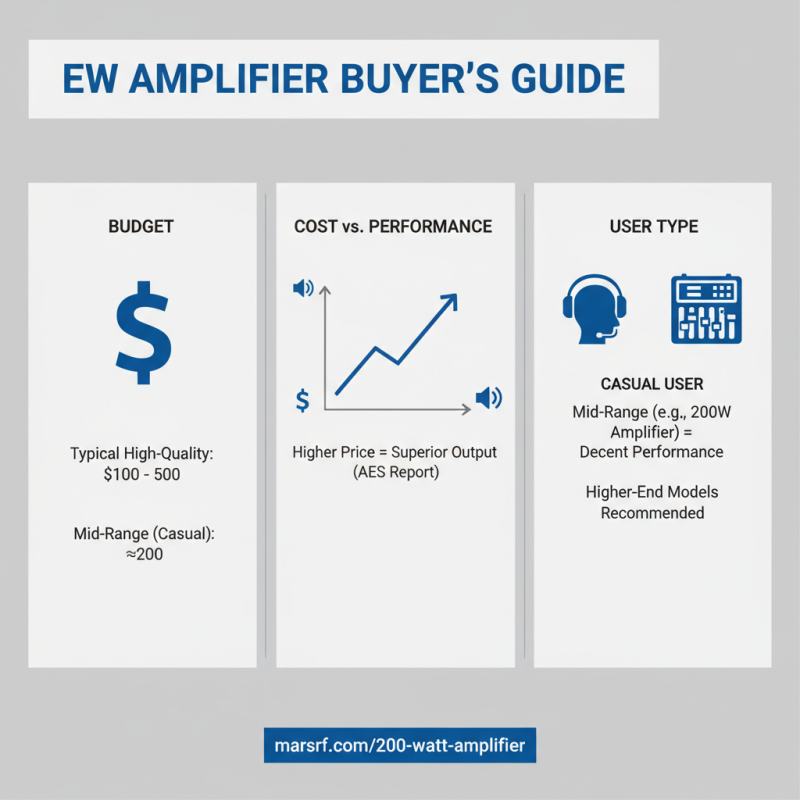
When selecting an EW amplifier, budget plays a crucial role. A typical high-quality model can range from $100 to $500. However, understanding the cost vs. performance is vital. A report from the Audio Engineering Society indicates that higher-priced amplifiers often provide superior output quality. But, for casual users, a mid-range option like a 200 Watt Amplifier may suffice, delivering decent performance without breaking the bank.
Performance metrics are also essential. Many users overlook the importance of specifications. An amplifier with lower distortion ratings and higher efficiency will typically yield better sound quality. For example, many amplifiers in the $300 range exhibit at least 0.1% total harmonic distortion. This level often appeals to audiophiles. Yet, many new users might not perceive the difference. It’s worth considering your primary use case—auditory experience or background noise.
Lastly, it’s crucial to reassess your requirements frequently. As you gain experience, your understanding may mature. Initially, you might prioritize sheer power. However, factors like clarity and response time can become more important. Finding the right balance between cost and performance is a journey, not a destination. Don't be afraid to reflect on your choices and adapt them over time.
Where to Purchase and How to Ensure Quality Assurance
When selecting an EW amplifier, quality assurance is crucial. There are many options available, and not all are reliable. Always check if the manufacturer offers warranties. This can protect your investment. Look for reviews from users. Feedback can help guide your choice.
Tips: Research online platforms for customer ratings. Focus on amplified sound quality and performance details. A good reputation often leads to better products. Don’t skip the manual. It provides insights into optimal use.
Consider purchasing from authorized dealers. This can ensure you receive genuine products. Beware of counterfeit amplifiers that lack proper safety measures. If you're eyeing a
300 Watt Amplifier, double-check specifications. Find out its thermal management features. Sometimes things may not meet your expectations. Always be prepared to exchange or return your purchase if it doesn’t fit your needs.
Maximizing Performance with the RF High Power Amplifier Subsystem MS00810P45A: Key Features and Applications
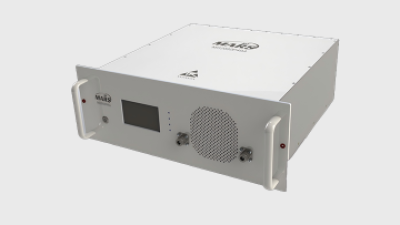
The RF High Power Amplifier Subsystem MS00810P45A is engineered to deliver exceptional performance across a wide frequency range, specifically between 80 to 1000 MHz, with an impressive output power of 30 watts. This model is tailored for critical applications in areas such as electromagnetic compatibility (EMC) testing and communications, where reliable amplification is essential. The system’s robustness ensures precise signal transmission, making it a preferred choice for engineers seeking optimal performance in demanding environments.
In addition to its remarkable specifications, the MS00810P45A is part of a broader lineup of rack-mounted RF amplifier systems that cater to various power requirements, ranging from 50 watts to 2000 watts. This flexibility in output power options allows it to serve multiple applications, including TWT (Traveling Wave Tube) replacements, which are increasingly significant as industries evolve toward more efficient and compact solutions. By blending high performance with versatility, this high-power amplifier subsystem stands out as an essential tool for professionals striving to maximize system efficiency and reliability in their RF applications.
FAQS
: Many diets can help with weight management, energy levels, and digestion. They may improve heart health too.
Begin by researching various diets. Then, try changing your meals gradually. Small adjustments often lead to better habits.
While not mandatory, exercise can enhance results. It boosts metabolism and improves mood, making dietary changes easier.
Set achievable goals and celebrate milestones. Finding a friend to share the journey can also keep you motivated.
It’s normal to have setbacks. Reflect on what happened, and don’t be too hard on yourself. Just get back on track.
Staying hydrated is crucial. Water aids digestion and helps control appetite. Aim for at least eight glasses a day.
Conclusion
When choosing the best EW amplifier for your needs, it's essential to understand their significance and functionality in electronic warfare. Key specifications such as frequency range, power output, and gain should guide your decision-making process. Different types of EW amplifiers possess unique features that cater to specific applications, making it crucial to assess your particular requirements before making a selection.
Additionally, evaluating the reputation of manufacturers and examining customer reviews can provide insights into the quality and reliability of the EW amplifier. Budget considerations play a significant role in this decision, necessitating a cost vs. performance analysis. Lastly, knowing where to purchase these devices, while ensuring quality assurance, is imperative to ensure you are getting a product that meets your operational needs effectively.



 EW
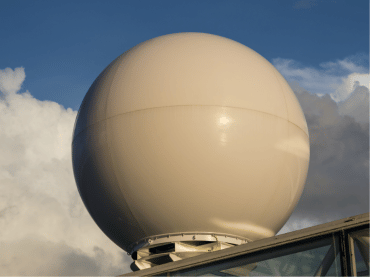 Radar
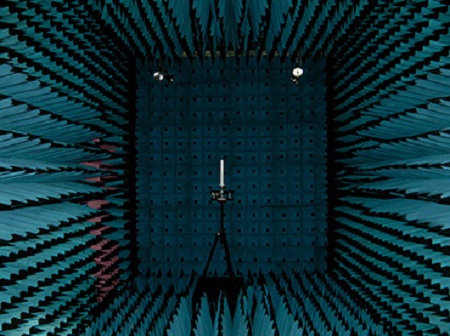 Test and Measurement
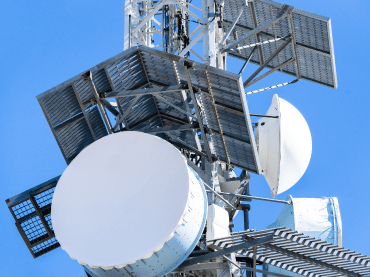 Communication