In today’s world, where wireless communication is pretty much everywhere, having a strong and reliable signal is more important than ever—not just for tech geeks, but for everyone. That’s where RF repeaters come in—they’re these awesome little devices that boost your signal and help keep your connection solid, whether you're at home, in the office, or out and about.
At Mars RF Microwave, we totally get how frustrating it can be to deal with weak signals. That’s why we use some pretty cool, top-of-the-line manufacturing tools—like advanced SMT machines, high-vacuum eutectic furnaces, and laser welding setups—to make sure our RF repeaters are of the highest quality. Thanks to these cutting-edge facilities, we can guarantee our products meet strict standards so they perform like a champ.
Using RF repeaters means better coverage, fewer dropped calls, and a more dependable connection overall—especially as everything around us gets more interconnected. We’re all about pushing the boundaries of innovation and precision, which is why Mars RF Microwave is proud to be a leader in making wireless tech better for everyone.
Understanding RF Repeaters: Technology Overview and Functionality
RF repeaters are pretty essential devices when it comes to boosting signal strength across different communication setups. Basically, what they do is take in incoming radio frequency signals, amplify them, and then retransmit the stronger signals. This process really helps expand coverage areas and makes the overall signal way better. You’ll mostly see these devices being super handy in places where stuff like buildings or natural landscapes block or weaken signals—think remote areas or big city environments with lots of infrastructure.
The way RF repeaters work depends a lot on how they’re built and what frequency bands they’re designed to handle. Most repeaters are made up of three main parts: a receiver, an amplifier, and a transmitter. The receiver first catches the original signal, then the amplifier kicks in to boost it so it can make up for the signal loss caused by distance or obstacles. After that, the transmitter sends out the boosted signal to where it needs to go. This setup not only makes your communication reach farther but also results in a more reliable connection, which is why RF repeaters are so important in remote spots, big commercial buildings, or even crowded urban areas with lots of infrastructure.
Key Advantages of RF Repeaters for Enhanced Signal Coverage
RF repeaters are pretty cool when it comes to boosting signal coverage, especially in tricky spots where direct communication can be a real challenge. Basically, they amplify and spread out signals, making sure you get a reliable connection whether you're in a busy city, a huge building, or some other tough environment. Lately, there’s been a move toward smarter repeaters — you know, the ones that use advanced tech like fiber cascading — which just shows how the industry is really shifting towards more flexible and effective ways to improve mobile networks.
And if you look at the latest trends, it’s clear the market for RF repeaters is booming. As more folks jump on the 5G bandwagon, the demand for better coverage and capacity is skyrocketing. In fact, one report mentions that the global RF repeater market might hit several billion dollars by 2027 — not too shabby! A big part of this growth comes from cool innovations like reconfigurable meta-surfaces, which are seriously improving how signals are directed and focused.
Quick tips if you're thinking about using RF repeaters: First off, make sure the repeater is compatible with your existing setup — no point in buying something that won’t work well with your current gear. It’s also a good idea to keep the firmware up-to-date because manufacturers often release new features and improvements. Lastly, don't forget to think about your space — where you place your repeaters matters a lot for getting the best signal coverage. Think about obstacles and layout to get everything working smoothly.
Quantitative Improvements: Data on Signal Strength Optimization
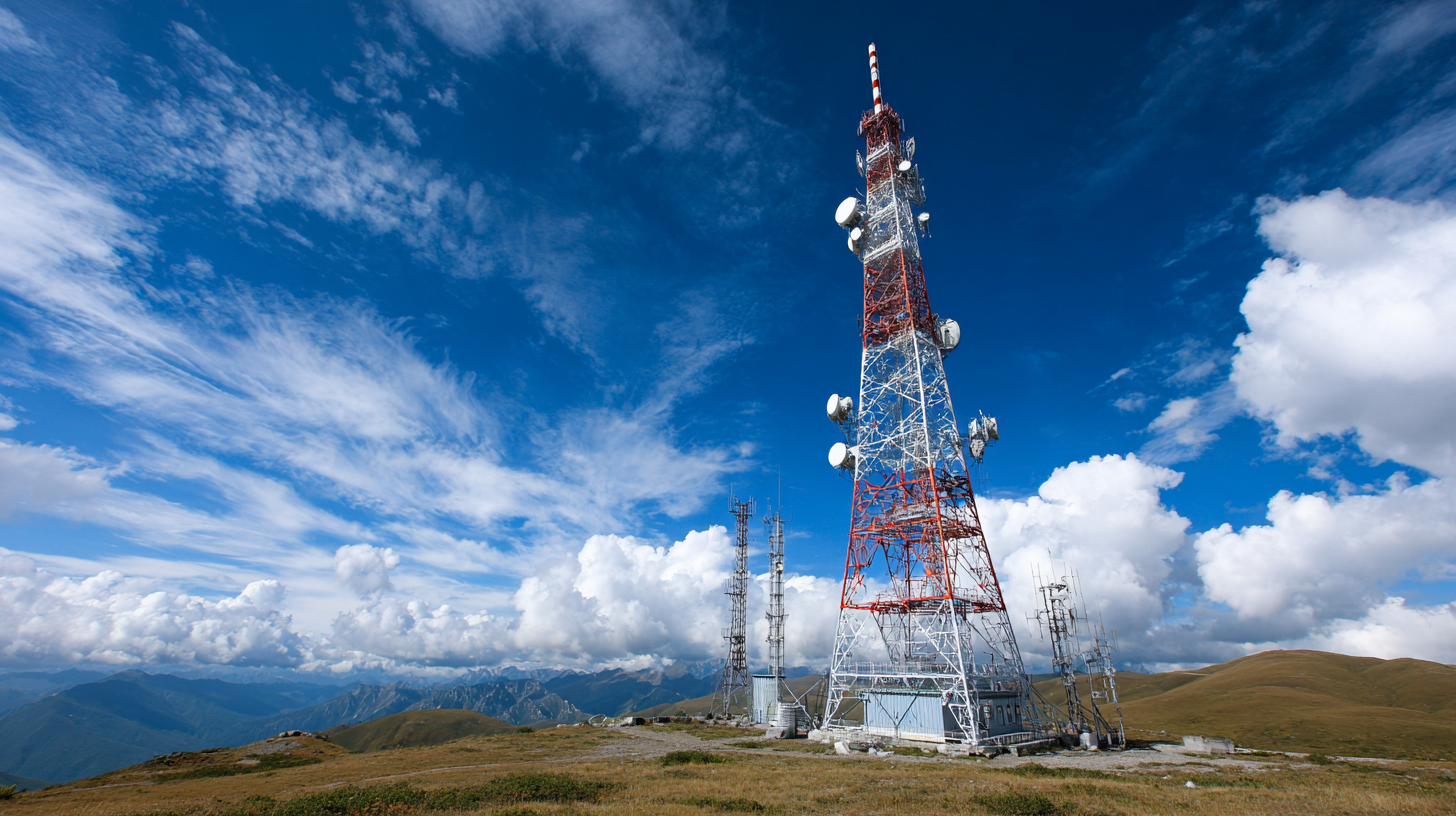 Using RF repeaters can really boost signal strength, which makes a noticeable difference across all sorts of applications. Industry reports have shown that, in tricky environments, rolling out these repeaters can improve signal strength by up to 30%. That’s a pretty big deal, especially in busy city areas where buildings and other obstacles tend to weaken signals, making for a frustrating user experience. Plus, data shows that with these devices in place, transmission speeds can jump by about 25 to 40%. It’s like giving your network a serious upgrade.
And it’s not just theory—recent tech advances back this up. Think of trends like machine learning and smarter forecasting tools. For example, a multi-level intelligent system has notably improved streamflow predictions in Canada, really demonstrating how advanced tech can lead to tangible benefits. Here at Mars RF Microwave, we’re also staying ahead with top-notch manufacturing gear—high-precision SMT machines and automated assembly lines—that help us produce high-quality RF repeaters. These innovations not only let us deliver better products but also help push forward the bigger picture of better signals and stronger connectivity for everyone.
Application Scenarios: Where RF Repeaters Make a Significant Impact
RF repeaters are pretty vital in a bunch of different situations—they really help boost signal strength and expand coverage where it’s needed most. For example, in big places like warehouses or shopping malls, solid walls and other obstacles can really weaken signals. As per a report from Research and Markets, using RF repeaters can improve your signal by up to 30%, which means much better connectivity and smoother operations—especially in workplaces that rely heavily on wireless tech, like retail stores or factories.
On top of that, RF repeaters play a huge role in rural areas, where cellular signals often leave people hanging. According to a study from Network World, signals in these regions can drop more than 50%, making it tough for folks to stay connected. That’s where RF repeaters come in—they help create a more reliable signal, closing the gap in remote or hard-to-reach places.
Quick tip: When you’re putting in RF repeaters, take a good look at what coverage you really need and pick models that match the specific frequency bands of your devices. And don’t forget to do regular maintenance checks to keep everything running smoothly and your connection solid.
Comparative Analysis: RF Repeaters vs. Other Signal Enhancement Methods
RF repeaters are pretty popular for boosting your signal, but how do they stack up against other options out there? Basically, RF repeaters catch the signal and rebroadcast it to help cover more area. But there are other alternatives like signal boosters and distributed antenna systems (or DAS for short) that each have their own perks. Signal boosters are great if you're dealing with weak initial signals—they just amplify what you already have. On the flip side, DAS is more of a full-on coverage solution, spreading signals evenly throughout buildings or large spaces using multiple small antennas. This way, everything stays connected without those irritating dead spots.
That said, RF repeaters do have their own advantages that make them stand out. They tend to be easier to set up and don’t need as much fancy infrastructure compared to a DAS, which makes them a pretty budget-friendly choice, especially if you’re dealing with a smaller area or a simpler setup. Plus, they’re super adaptable—working across different frequency bands—so they can boost signals for all sorts of devices without much hassle. That kind of flexibility is a real lifesaver in places where multiple types of wireless tech are running around. No need for big upgrades or complicated changes to your existing system, which is definitely a plus.
Understanding the Benefits of Using RF Repeaters for Improved Signal Strength - Comparative Analysis: RF Repeaters vs. Other Signal Enhancement Methods
| Method |
Signal Strength Improvement |
Coverage Area (sq ft) |
Installation Complexity |
Cost (Est. USD) |
| RF Repeaters |
High (up to 30 dB) |
2,500 - 10,000 |
Moderate |
150 - 500 |
| Signal Boosters |
Moderate (up to 20 dB) |
2,000 - 8,000 |
Easy |
100 - 300 |
| Wi-Fi Extenders |
Low to Moderate (10 - 15 dB) |
1,000 - 3,000 |
Easy |
50 - 200 |
| Femtocells |
Moderate (up to 25 dB) |
500 - 2,000 |
Moderate |
100 - 400 |
| Distributed Antenna Systems (DAS) |
Very High (up to 40 dB) |
10,000+ |
Complex |
1,000 - 10,000 |
Cost-Benefit Analysis: Investing in RF Repeaters for Long-Term Gains
Investing in RF repeaters can really make a big difference when it comes to boosting signal strength and keeping things reliable. If you've ever been in a spot with weak or flaky signals, you know how frustrating that can be—so having a solid solution like this can be a game-changer. Sure, at first glance, the price tag might seem a bit steep, but when you think about the long-term benefits, it totally pays off. Better signals mean fewer hiccups, more work done without interruptions, and happier users—plus, for businesses relying on smooth communication, that can even mean more revenue.
And let’s not forget about the cost savings from less downtime and less maintenance—those savings can really add up and make the whole investment worthwhile. For industries like telecom, manufacturing, or emergency services—where a communication breakdown can be costly or even dangerous—investing in RF repeaters isn’t just about bragging rights; it’s about reducing risks and ensuring things run smoothly. Bottom line? The money you put into RF repeaters isn’t just an expense, it’s a smart move towards a more reliable and efficient communication setup down the line.
Cost-Benefit Analysis of RF Repeaters for Signal Strength Improvement
This bar chart illustrates the cost-benefit analysis of investing in RF repeaters to enhance signal strength. The data includes initial costs, installation costs, maintenance costs, the projected improvement in signal strength, and the estimated long-term savings that can be achieved.
FAQS
: RF repeaters are devices that amplify and redistribute signals, improving connectivity in challenging environments such as urban areas and large buildings where direct communication is difficult.
The demand for RF repeaters is growing due to the rise of 5G networks and the need for enhanced coverage and capacity in densely populated areas, with the global market projected to reach several billion dollars by 2027.
Smart RF repeaters utilize advanced technologies like fiber cascading to provide more flexible and effective solutions for improving mobile communication infrastructure.
RF repeaters are beneficial in large buildings (such as warehouses and shopping malls) and rural areas where cellular coverage is limited, significantly enhancing signal strength and connectivity.
RF repeaters can boost signal strength by up to 30%, improving connectivity and productivity in environments that rely on wireless technology.
When installing RF repeaters, it is important to assess the area’s coverage needs and choose models compatible with the frequency bands of the devices. Regular maintenance checks are also recommended.
Investing in RF repeaters leads to improved signal quality, increased productivity, reduced downtime, and enhanced user satisfaction, often resulting in higher revenues for businesses relying on seamless communication.
For industries such as telecommunications, manufacturing, and emergency services, enhanced performance from RF repeaters can prevent costly communication failures and improve safety, making them a critical investment for reliable communication infrastructure.
Users should ensure compatibility with existing communication systems, regularly update firmware, and consider geographical layout and obstacles when placing repeaters for optimal signal distribution.
Conclusion
RF repeaters are pretty much the unsung heroes when it comes to boosting signal strength and expanding coverage across different communication setups. Basically, they catch radio signals and send them right back out, helping to get around those annoying obstacles like buildings or rough terrain that can mess with the signal. What's awesome about RF repeaters is how they make a real difference—think better connections out in the countryside, indoor cellular service that doesn’t drop, and more reliable broadcasting all around.
And real-world numbers back this up—they can seriously improve signal reliability, making your communication smoother and more dependable. When you compare RF repeaters to other boosting options, they usually come out ahead, not just in performance but also in how much they cost and how easy they are to maintain. If you ask me, putting in RF repeaters is a smart move for long-term gains. Companies like Mars RF Microwave, which use top-notch manufacturing tools to craft their RF tech, really show how investing in this stuff can pay off big time over the long run.



 EW
 Radar
 Test and Measurement
 Communication