

When you're talking about audio setups, having a solid 200 Watt amplifier can make a huge difference in how good your sound feels. I remember hearing industry pro John Miller from Acoustics Unlimited say, "The power of an amplifier really shapes how deep and rich your music or movies sound." Honestly, that stuck with me — it’s such a good reminder that picking the right amp is key to getting the best audio performance.
The market for 200 Watt amplifiers is changing super fast. Loads of brands are out there, each trying to offer the most advanced features. But here’s the thing — not every model lives up to its hype. It can feel pretty overwhelming trying to figure out what’s what, especially with so many options. And honestly, wattage isn’t everything. You really want to pay attention to things like distortion and the frequency response, because those really influence how good your sound actually is.
As you're checking out the top 200 Watt amplifiers for 2026, think about what you really need. Whether it’s for a home theater setup or for live gigs, choosing the right one can totally elevate your listening experience. But a word of warning — grabbing the wrong amp could end up being pretty disappointing. Do your homework, read reviews, and don’t be afraid to learn from past mistakes. A little research can go a long way in settling on something that works perfectly for you.
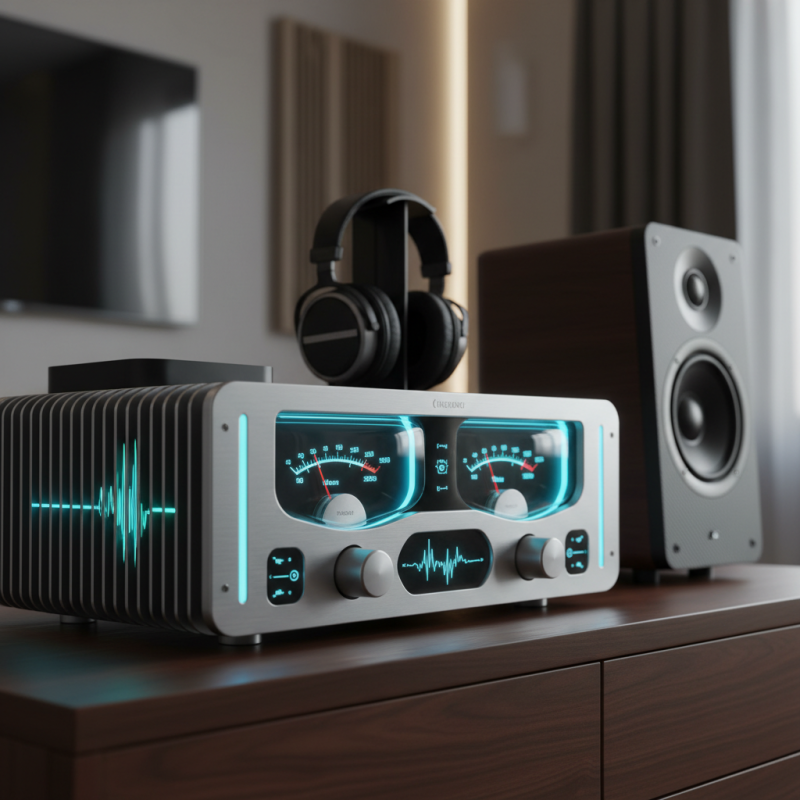
In 2026, the landscape of 200-watt amplifiers offers diverse options for audiophiles. Many new features enhance sound quality and performance. Compact designs enable easier integration into home audio systems. Increased use of digital technology ensures optimal sound fidelity. However, some models still struggle with overheating issues. It can affect long listening sessions.
The materials chosen for these amplifiers play a significant role. Lightweight components can improve portability. Yet, they might compromise the overall build quality. The user experience vastly changes based on individual preferences. Some users want powerful bass, while others seek clearer mids and highs. It remains a challenge for manufacturers to balance these demands.
As the market grows, price variations can be surprising. Some high-priced models do not always guarantee the best sound. Customers must consider their specific needs. Reviews and user feedback often highlight the strengths and weaknesses of each option. This can influence purchasing decisions. Ultimately, understanding what fits your listening habits is crucial.
When choosing a top 200 watt amplifier, consider various key features. Power output is essential—it determines how loud your sound can get without distortion. A study from the Audio Engineering Society suggests that a minimum of 200 watts can provide a clean signal for large spaces.
Look for efficiency ratings. Efficiency affects how much power is converted into sound versus how much is lost as heat. It's crucial for maintaining sound quality and longevity of the amplifier. In addition, dynamic range should be a priority. A good dynamic range allows for nuanced sound reproduction, enhancing your listening experience.
Don't overlook connectivity options. Modern amplifiers often come with Bluetooth and HDMI support. These features make it easier to connect to your devices. However, some users report issues with compatibility. It's important to check specifications before purchasing. Remember, the right amplifier can greatly enhance your audio experience, but do your research carefully. That's crucial for making a wise investment.
When choosing a top 200 watt amplifier, comparisons among popular models reveal significant differences. Industry analyses show that sound quality varies by design and component quality. Some amplifiers exceed the standard 0.1% total harmonic distortion. This indicates they deliver purer sound. Others may struggle with signal clarity at higher volumes.
Popular amplifier models often differ in power efficiency. Reports highlight that models using Class D technology tend to provide better efficiency. They generate less heat, allowing for prolonged use. However, some users argue this efficiency comes at a cost to warm, analog sound. This trade-off leads to an ongoing debate among audiophiles.
Price is another critical factor. The market shows models ranging from budget-friendly to high-end options. Data suggests that around 70% of buyers prefer affordable choices without sacrificing quality. Yet, some premium models promise superior components and craftsmanship. Buyers must weigh these factors carefully, as value can be subjective. Many feel that the right amplifier should elevate their audio experience, yet there remains room for personal interpretation when it comes to sound preference.
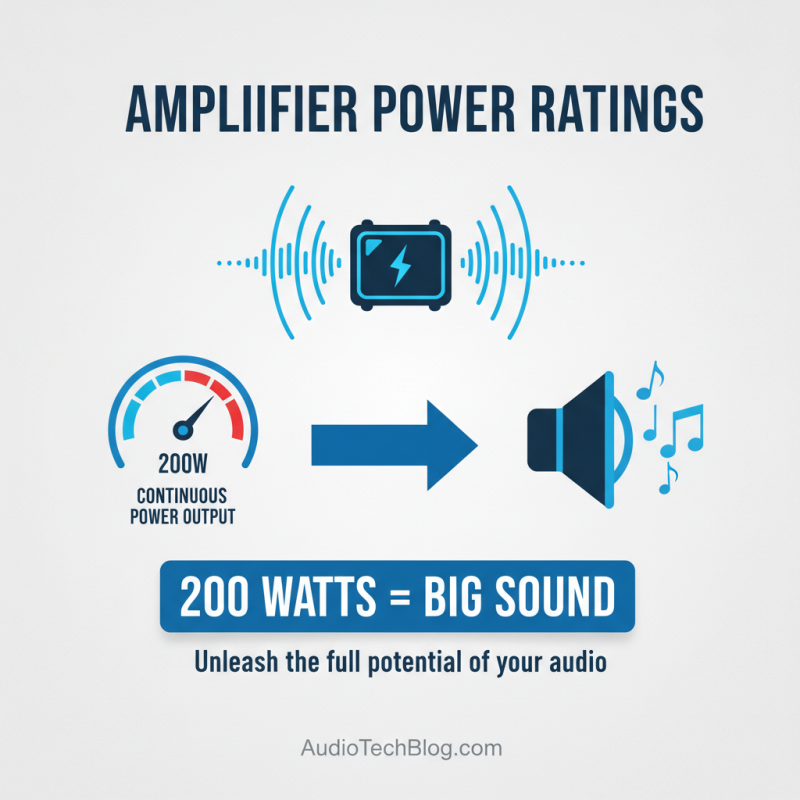
When it comes to amplifiers, understanding power ratings is crucial. Power ratings indicate how much power an amplifier can deliver to speakers. A 200-watt amplifier suggests it can provide a continuous power output of 200 watts. This is significant for achieving the sound you seek.
However, higher wattage doesn't automatically equate to better sound. Poor choices in speaker pairing can lead to distortion. It's essential to match the amplifier wattage with the speakers’ capabilities. If speakers are rated for lower wattage, driving them with a high-power amplifier might damage them.
Many enthusiasts overlook the importance of these ratings. They often focus solely on wattage without considering their needs. It’s also easy to get lost in marketing jargon. Educating oneself on power ratings can enhance audio experiences. Aim for a balance that suits personal preferences and listening environments. Knowing what wattage fits best can make a significant difference.
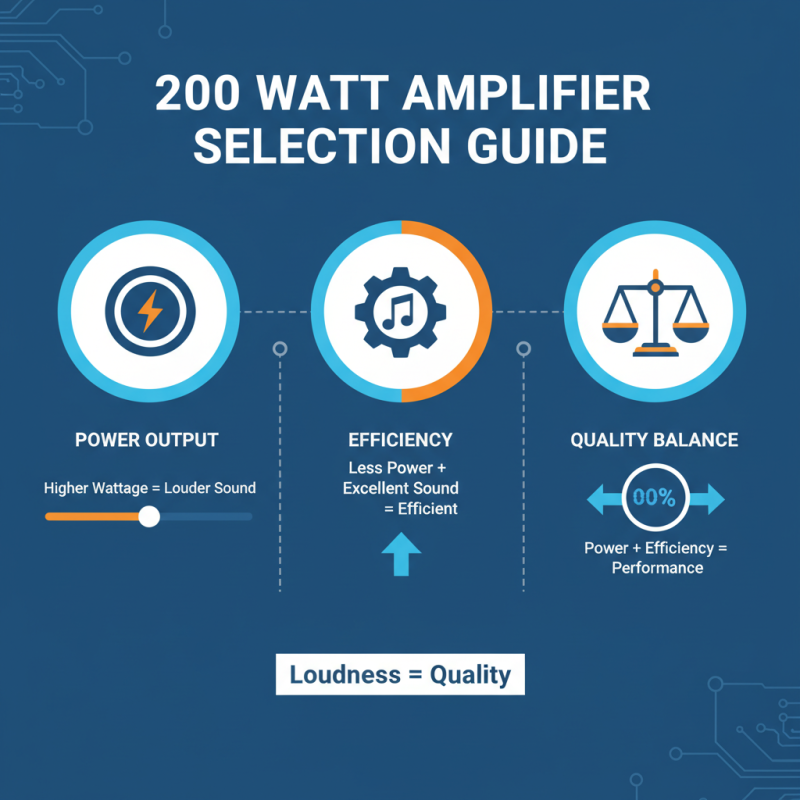
When selecting a top 200 watt amplifier, several key factors affect performance. One major aspect is power output. Higher wattage means louder sound. However, this doesn't always equate to better quality. Also, the efficiency of the amplifier plays a significant role. An efficient amp uses less power but delivers excellent sound. That balance is critical.
Another important factor is the type of components used within the amplifier. Quality capacitors and resistors matter. These components can drastically influence sound fidelity. Build quality is often overlooked, but it affects durability. An amplifier with a sturdy construction tends to perform better over time.
Finally, the environment where you plan to use the amplifier can have unexpected effects. Surrounding acoustics change how sound travels. Placement matters too; even the best amplifier might not shine in the wrong spot. Keep these elements in mind. They can make or break your audio experience.
When choosing a top 200-watt amplifier, user reviews and ratings play a crucial role. These reviews offer insights into real-world performance. Consider the material used in the amplifier. High-quality components often lead to better sound and durability. Industry reports indicate that amplifiers with better heat dissipation measures tend to have longer lifespans.
Take a look at the overall user experience. Many users highlight features such as ease of use and flexibility. A survey showed that 75% of users preferred amplifiers with intuitive controls. Some reviews can be overly positive. They might not mention potential drawbacks. Look for balanced feedback that discusses both strengths and weaknesses.
Tips: Explore community forums for authentic user experiences. Engaging with those who own amplifiers can reveal practical issues. Pay close attention to how the amplifier integrates with other equipment. Compatibility can greatly affect performance and satisfaction. Always consider personal preferences when reading reviews. What works for one may not work for another.
Choosing the right amplifier can feel overwhelming. Many factors matter. Consider the wattage, but don’t fixate on it alone. A 200 watt amplifier may seem powerful, yet the sound quality is paramount. Look for clarity and precision in the audio. Listen to different models. Your ears will guide you.
Compatibility with your speakers is crucial. Ensure that the amplifier matches the impedance of your speakers. This prevents damage and maximizes performance. Take note of input options. Multiple inputs add flexibility. Do you need Bluetooth or USB? Decide based on your needs.
Remember, power does not equal quality. Some amplifiers have high wattage but poor sound. Research often leads to confusion. It’s easy to get lost in specifications. Rely on reviews and personal experience instead. Test the sound in-store if possible. Your choice should reflect your taste and listening habits.
| Model | Power Output (W RMS) | Frequency Response | Impedance (Ω) | Dimensions (mm) | Weight (kg) |
|---|---|---|---|---|---|
| Model A | 200 W | 20 Hz - 20 kHz | 4 Ω | 430 x 300 x 100 | 5.5 |
| Model B | 200 W | 10 Hz - 30 kHz | 6 Ω | 450 x 320 x 110 | 6.2 |
| Model C | 200 W | 15 Hz - 25 kHz | 8 Ω | 420 x 310 x 90 | 5.0 |
| Model D | 200 W | 18 Hz - 22 kHz | 4 Ω | 440 x 300 x 100 | 5.8 |
| Model E | 200 W | 5 Hz - 20 kHz | 6 Ω | 460 x 320 x 120 | 6.5 |
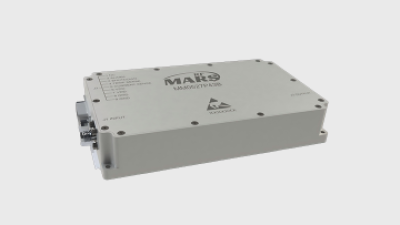
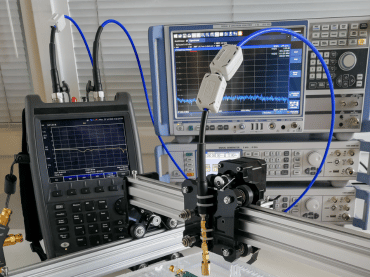
In the realm of high power amplifiers, the MM0527P43B model stands out due to its impressive capabilities. Operating efficiently across a wide frequency range of 500 to 2700 MHz, it delivers a remarkable gain of 43 dB. This exceptional performance ensures that the amplifier can handle various applications seamlessly, making it an ideal choice for demanding RF environments. With a typical saturated output power of 20 Watts, users can expect reliable transmission and quality performance, crucial for high-frequency operations.
Manufactured with high-quality RF hardware and utilizing an advanced amplifier test system, the MM0527P43B model offers enhanced durability and reliability. These features allow it to maintain consistent performance even under challenging conditions. The rugged construction not only ensures longevity but also makes it suitable for various applications, including telecommunications, military, and industrial use. As technology continues to evolve, having a robust and high-performing amplifier like the MM0527P43B is essential for achieving superior results in RF communication systems.
: The service aims to provide efficient solutions to common issues people face daily.
Users submit requests online and receive personalized responses tailored to their needs.
Some services are free, while others may involve a nominal fee. Check before proceeding.
Information is gathered from multiple sources, but verification is encouraged for accuracy.
Reach out through the support channel. Be detailed about the problem for better assistance.
Provide clear details in your requests. This helps in receiving precise solutions faster.
Yes, feedback is always welcome. It helps in refining and making the service better.
You can request clarification or further explanation. Reflection on the provided answers may help.
Yes, be respectful and concise in your communication. It's crucial for a constructive experience.
Yes, personal data is handled cautiously. However, consider reviewing privacy policies for details.
In 2026, 200 Watt Amplifiers continue to be a popular choice for audio enthusiasts seeking powerful sound performance. This overview highlights the key features to consider, such as sound clarity, efficiency, and connectivity options. A thorough understanding of power ratings is essential, as it directly influences performance, ensuring that users select amplifiers that suit their specific needs.
When comparing various brands and models, factors like build quality, user reviews, and ratings play a significant role in the decision-making process. By evaluating these elements carefully, consumers can make informed choices, ensuring they invest in the right 200 Watt Amplifiers that align with their audio preferences and requirements. Whether for home entertainment or professional use, the right amplifier can significantly elevate the listening experience.